Sports Massage: Boost Performance and Prevent Injuries
- Kjell Eldor
- May 19
- 3 min read

Sports massage is more than just a luxury for athletes; it is a vital component of training and recovery. Whether you are a seasoned professional or a weekend warrior, understanding the benefits of sports massage can significantly enhance your performance and help prevent injuries. In this post, we will explore the various aspects of sports massage, including its techniques, benefits, and how it can be integrated into your training regimen.
What is Sports Massage?
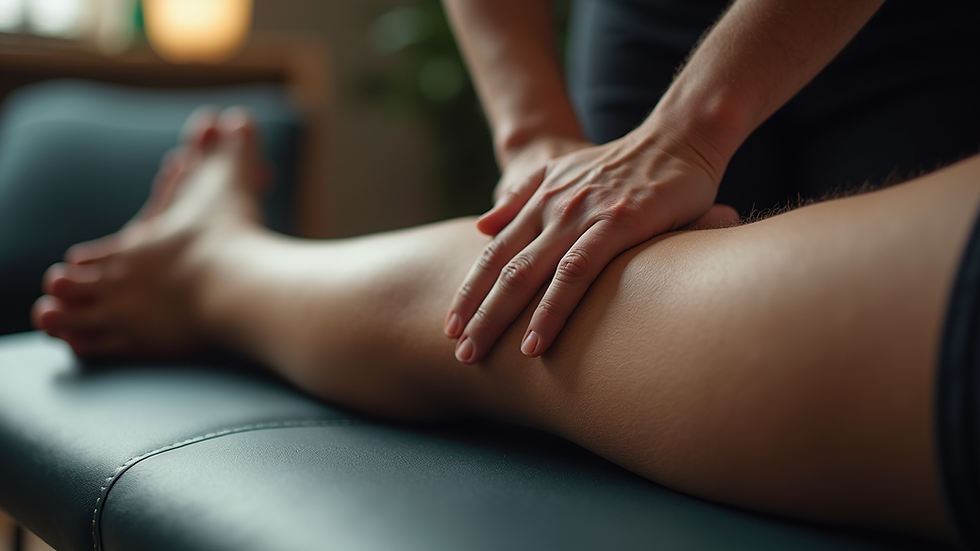
Sports massage is a specialized form of massage therapy that focuses on the needs of athletes. It involves various techniques designed to enhance athletic performance, reduce muscle tension, and promote recovery. Unlike traditional massage, which may focus on relaxation, sports massage is tailored to the specific demands of sports and physical activity.
Techniques Used in Sports Massage
Sports massage employs several techniques, including:
Effleurage: This technique involves long, sweeping strokes that help warm up the muscles and increase blood flow.
Petrissage: This involves kneading and squeezing the muscles to relieve tension and improve circulation.
Friction: This technique targets specific areas of tightness or injury, using deep pressure to break down adhesions and scar tissue.
Compression: This involves applying pressure to specific muscle groups to promote relaxation and reduce soreness.
Stretching: Incorporating stretching techniques can enhance flexibility and range of motion.
Each of these techniques can be adapted based on the athlete's specific needs and the demands of their sport.
Benefits of Sports Massage
The benefits of sports massage extend beyond mere relaxation. Here are some key advantages:
Enhanced Performance
Regular sports massage can lead to improved performance by:
Increasing blood flow to muscles, which enhances oxygen delivery and nutrient supply.
Reducing muscle tension, allowing for greater flexibility and range of motion.
Helping athletes recover faster from intense training sessions.
Injury Prevention
Sports massage can play a crucial role in preventing injuries by:
Identifying and addressing tight areas before they lead to injury.
Improving muscle elasticity and joint mobility, reducing the risk of strains and sprains.
Enhancing overall body awareness, allowing athletes to recognize when something feels off.
Faster Recovery
After intense workouts or competitions, sports massage can aid recovery by:
Reducing muscle soreness and stiffness.
Promoting lymphatic drainage, which helps remove toxins from the body.
Encouraging relaxation and reducing stress levels.
Mental Benefits
The psychological benefits of sports massage should not be overlooked. It can help athletes:
Reduce anxiety and improve focus before competitions.
Enhance overall well-being and promote a positive mindset.
Foster a sense of connection with their body, leading to better performance.
When to Get a Sports Massage
Timing is essential when it comes to sports massage. Here are some recommendations:
Pre-Event Massage
A light massage before an event can help warm up the muscles and prepare the body for performance. This type of massage typically focuses on increasing blood flow and reducing tension.
Post-Event Massage
After an event, a more intensive massage can help reduce soreness and promote recovery. This massage may focus on specific muscle groups that were heavily utilized during the event.
Regular Maintenance
Incorporating regular sports massage into your training routine can help maintain muscle health and prevent injuries. Many athletes benefit from scheduling massages weekly or bi-weekly, depending on their training intensity.
Finding a Qualified Sports Massage Therapist
Not all massage therapists specialize in sports massage. When searching for a qualified therapist, consider the following:
Credentials: Look for therapists with certifications in sports massage or related fields.
Experience: Choose someone who has experience working with athletes in your specific sport.
Communication: A good therapist will listen to your needs and tailor the session accordingly.
Integrating Sports Massage into Your Training Regimen
To maximize the benefits of sports massage, consider the following tips:
Combine with Other Recovery Techniques
Sports massage should be part of a comprehensive recovery plan that includes:
Proper nutrition to fuel your body.
Hydration to maintain optimal performance.
Adequate rest and sleep to allow for recovery.
Listen to Your Body
Pay attention to how your body responds to massage. If you notice persistent soreness or discomfort, communicate this with your therapist. Adjustments can be made to ensure you receive the most effective treatment.
Set Goals
Establish clear goals for your sports massage sessions. Whether you aim to improve flexibility, reduce soreness, or enhance performance, having specific objectives can help guide your therapy.
Conclusion
Sports massage is a powerful tool for athletes looking to boost performance and prevent injuries. By understanding its techniques and benefits, you can make informed decisions about incorporating it into your training regimen. Remember, the key to success lies in consistency and communication with your therapist. Take the next step in your athletic journey by exploring the world of sports massage and experiencing its benefits firsthand.


Comments